
Brand Storytelling: What It Is, Why It Matters
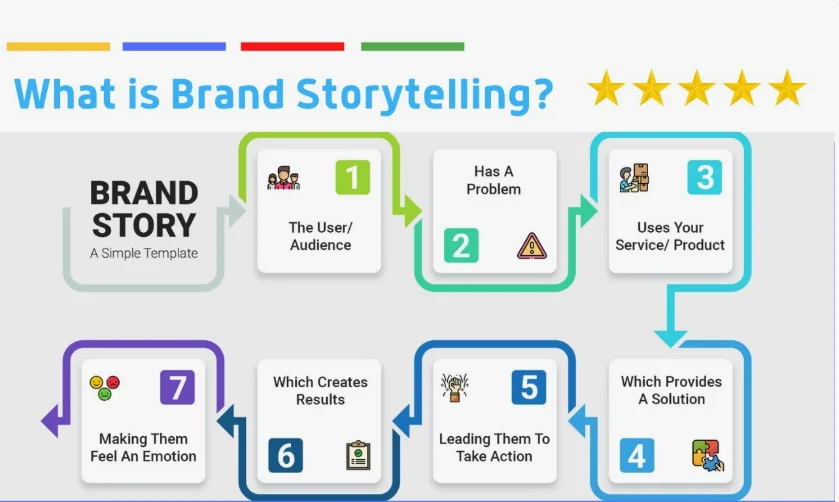
Brand storytelling is no longer a “nice to have.” It is a core business strategy. In a digital-first world where consumers are constantly exposed to content, brands that tell clear, authentic stories are the ones that earn trust, loyalty and long-term growth.
If you want people to remember your brand, connect with it, and choose it repeatedly, you need more than products and promotions; you need a story that resonates.
This guide explains what brand storytelling is, why it matters and how you can use it effectively to build a strong, differentiated brand.
What Is Brand Storytelling?
Brand storytelling is the strategic use of narrative to communicate your brand’s identity, purpose, values, and promise. It’s how you shape the perception of your brand across every customer interaction.
Unlike traditional marketing, brand storytelling doesn’t focus on selling features. Instead, it focuses on:
- Meaning
- Emotion
- Experience
- Connection
Your brand story is expressed through your website, content marketing, social media, advertising, customer experience and even internal culture. Every touchpoint contributes to the same narrative.
At its core, brand storytelling answers three key questions:
- Who are you as a brand?
- Why do you exist?
- Why should your audience care?
Read more: TDS Rate Chart for FY 2025-26 (AY 2026-27) PDF
Why Brand Storytelling Matters
Consumers today are more informed and selective than ever. They don’t just buy products—they buy brands they trust and identify with.
Brand storytelling matters because it:
- Builds emotional connections with customers
- Differentiates your brand in crowded markets
- Creates trust and credibility
- Drives long-term customer loyalty
- Makes your messaging consistent and memorable
Studies in psychology and neuromarketing show that people remember stories far better than facts. When you tell a compelling brand story, your message becomes easier to understand, recall, and act on.
Brand Storytelling vs. Traditional Marketing
Traditional marketing focuses on what you sell.
Brand storytelling focuses on why it matters.
Instead of listing features and benefits, storytelling:
- Frames your product as a solution to a real problem
- Positions your brand as a guide, not the hero
- Emphasizes transformation over transactions
This approach helps customers see themselves in your story, which increases engagement and trust.
The Core Elements of Effective Brand Storytelling
1. Brand Purpose
Your brand purpose defines why you exist beyond making money. It reflects the impact you want to create for your customers or the world.
A clear purpose:
- Guides your messaging
- Aligns your team
- Strengthens emotional connection
Purpose-driven brands are more relatable and more resilient.
2. Strong Brand Identity
Brand identity shapes how your story is told and perceived. It includes:
- Brand voice and tone
- Values and beliefs
- Personality and positioning
- Visual identity
Consistency in identity ensures your brand story feels recognizable and trustworthy across all platforms.
3. The Customer as the Hero
One of the most common brand storytelling mistakes is making the brand the hero.
In effective storytelling:
- Your customer is the hero
- Your brand is the guide
- The product is the tool
Your story should focus on your audience’s challenges, goals, and transformation—not your achievements.
4. Conflict and Resolution
Every good story includes tension. In brand storytelling, conflict comes from:
- Customer pain points
- Frustrations or unmet needs
- Challenges in the current situation
Your brand exists to resolve that conflict. Showing how your brand helps customers move from problem to solution makes your story compelling and credible.
Where Brand Storytelling Appears
Brand storytelling is not limited to one channel. It shows up everywhere your brand interacts with customers.
Website and SEO Content
Your homepage and blog should clearly communicate who you help, how you help them, and why it matters.
Content Marketing
Blog posts, videos, podcasts, and newsletters allow you to build long-term narratives and authority.
Social Media
Short-form storytelling builds connection and keeps your brand top of mind.
Advertising and Campaigns
Effective ads tell mini-stories that highlight customer pain points and outcomes.
Product and Customer Experience
Onboarding, UX, packaging and customer support all reinforce your brand story.
The Role of Authenticity in Brand Storytelling
Authenticity is critical. If your brand story doesn’t match your actions, audiences will notice.
Authentic brand storytelling means:
- Being honest and transparent
- Living your values consistently
- Avoiding exaggerated or vague claims
- Aligning internal culture with external messaging
Trust is built when your story is believable and backed by real experience.
Emotional Branding and Storytelling
Emotion is the foundation of brand storytelling. People remember how brands make them feel long after they forget the details.
Effective emotional branding:
- Uses clear, human language
- Addresses real customer challenges
- Focuses on progress and transformation
- Respects the audience’s intelligence
Emotion drives loyalty, advocacy and long term engagement.
How Brand Storytelling Creates Differentiation
In competitive markets, products and pricing can be copied. Stories cannot.
Your brand story is unique because it’s shaped by:
- Your origin
- Your mission
- Your perspective
- Your relationship with customers
A strong brand story becomes a strategic advantage that competitors can’t replicate.
Internal Brand Storytelling
Brand storytelling is not just for customers; it’s for your team too.
When employees understand and believe in the brand story:
- Messaging becomes more consistent
- Culture becomes stronger
- Employees become brand ambassadors
Internal alignment ensures your story is lived, not just told.
Read More: Top 10 Storytelling Bots: The Future of Storytelling with AI
Measuring the Impact of Brand Storytelling
While storytelling is emotional, its success can be measured through:
- Brand awareness and recall
- Engagement metrics
- Customer retention and loyalty
- Net Promoter Score (NPS)
- Customer lifetime value (CLV)
Strong brand stories deliver measurable business results over time.
Common Brand Storytelling Mistakes to Avoid
- Making the brand the hero
- Being generic or unclear
- Inconsistent messaging across channels
- Overpromising and underdelivering
- Treating storytelling as a one time campaign
Effective brand storytelling is continuous and intentional.
Read More: Storyteller App: Create, Share and Experience Stories
How to Start Building Your Brand Story
To get started:
- Clarify your brand purpose
- Understand your target audience deeply
- Define your brand voice and values
- Focus on one clear core narrative
- Apply it consistently across all touchpoints
Brand storytelling is not about perfection; it is about clarity and consistency.
Final Thoughts: Why Brand Storytelling Matters
Brand storytelling turns businesses into brands and customers into communities.
When you tell a clear, authentic brand story, you do not just attract attention; you build trust, loyalty and long term value.
In today’s competitive landscape, brands that tell meaningful stories are the ones people remember, recommend and return to.