
Visual Storytelling: What It Is and How to Use It Effectively
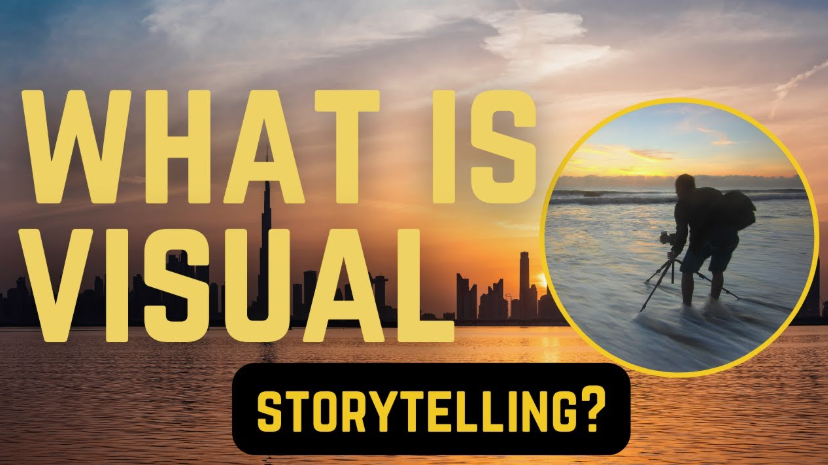
Visual storytelling is one of the most powerful ways to communicate ideas in the digital age. You live in a world of screens websites, mobile apps, social media feeds, dashboards, presentations and videos. In this environment, text alone struggles to compete for attention.
Visual storytelling bridges that gap. It transforms information into experiences, ideas into emotions, and messages into memories.
If you want your content, brand or message to stand out, visual storytelling is not optional; it is essential.
What Is Visual Storytelling?
Visual storytelling is the practice of conveying a narrative, message or insight using visual elements such as images, videos, illustrations, typography, color, layout, animation and data visualization.
Unlike simple visual design, visual storytelling focuses on:
- Meaning, not decoration
- Narrative, not noise
- Emotion, not just information
It combines principles from:
- Visual communication
- Cognitive psychology
- Storytelling frameworks
- UX and UI design
- Branding and digital media
Whether it’s a brand campaign, infographic, explainer video, website or product interface, visual storytelling helps audiences understand what’s happening, why it matters and what to do next; quickly and intuitively.
Read more: TDS Rate Chart for FY 2025-26 (AY 2026-27) PDF
Why Visual Storytelling Works
Humans are visual thinkers by nature. Neuroscience and cognitive science consistently show that the brain processes visual information far faster than text.
Visual storytelling works because:
- The brain processes images faster than words
- Visuals improve comprehension and retention
- Emotion is triggered visually before logic
- Stories activate memory and empathy
This is why:
- Videos outperform text content on social media
- Infographics increase engagement and recall
- Strong visuals increase trust and credibility
Visual storytelling aligns perfectly with how people see, feel and decide.
Visual Storytelling vs. Visual Design
Not all visuals tell stories.
A chart is not storytelling.
A photo is not storytelling.
A layout is not storytelling.
Visual storytelling requires intentional narrative structure.
A true visual story includes:
- Context (what is happening)
- Tension or transformation (what is changing)
- Resolution or message (what it means)
Without narrative, visuals are decoration. With narrative, visuals become communication.
Core Elements of Effective Visual Storytelling
1. Clear Message and Purpose
Every visual story starts with clarity.
Before creating visuals, you should ask:
- What is the core message?
- Who is the audience?
- What action or understanding should result?
Strong visual storytelling focuses on one primary idea. Everything else supports it.
2. Narrative Structure
Visual stories still follow classic storytelling principles:
- Beginning (context or setup)
- Middle (conflict, insight or change)
- End (resolution or takeaway)
This structure applies whether you’re creating a short video, an infographic or a UX flow.
Narrative gives visuals meaning.
3. Visual Hierarchy
Visual hierarchy controls attention.
Through contrast, scale, spacing, color and positioning, you guide the viewer’s eye:
- What they see first
- What they notice next
- What they remember
Good hierarchy reduces cognitive load and increases clarity.
4. Emotion and Human Connection
Emotion is central to storytelling.
Visual cues such as:
- Faces and expressions
- Body language
- Color psychology
- Composition and framing
all influence how people feel. When emotion is present, engagement increases and memory improves.
Types of Visual Storytelling
Visual storytelling appears across many industries and formats.
Brand Visual Storytelling
Logos, advertising campaigns, packaging and visual identity that communicate brand values and personality.
Data Visualization and Information Design
Charts, dashboards, and infographics that turn complex data into understandable insights.
Digital and Social Media Storytelling
Short-form videos, reels, stories and carousels designed for attention and engagement.
UX and Product Storytelling
User interfaces and product experiences that guide users visually through actions and decisions.
Film, Animation, and Motion Graphics
Time-based visual narratives driven by imagery, pacing and movement.
Each format uses the same principles; only the medium changes.
Visual Storytelling in Digital Marketing
Visual storytelling dominates modern digital marketing.
Platforms like:
- TikTok
- YouTube
- Websites and landing pages
all reward content that communicates visually and emotionally.
Strong visual storytelling improves:
- Engagement rates
- Brand recall
- Conversion rates
- Trust and credibility
In competitive digital environments, visuals often determine whether your message is noticed—or ignored.
Visual Storytelling and Branding
Brands are recognized visually before they are read.
Consistent use of:
- Color palettes
- Typography
- Imagery style
- Layout and motion
creates a recognizable brand story over time.
Strong visual branding allows audiences to identify your brand instantly; even without a logo.
Visual storytelling builds identity through consistency and repetition.
Read More: Top 10 Storytelling Bots: The Future of Storytelling with AI
Visual Storytelling in Data and Business Communication
Data alone does not drive decisions; understanding does.
Visual storytelling in data:
- Highlights patterns and trends
- Explains cause and effect
- Focuses attention on insights
- Reduces complexity
Instead of overwhelming stakeholders with metrics, visual storytelling answers:
- What’s happening?
- Why is it happening?
- What should we do next?
This approach improves decision making and alignment.
Common Visual Storytelling Mistakes
Avoid these common pitfalls:
- Prioritizing aesthetics over clarity
- Overloading visuals with information
- Using inconsistent styles
- Ignoring accessibility and readability
- Failing to provide narrative context
A visually impressive story that confuses the audience has failed.
How to Create Effective Visual Stories
Step 1: Define the Story
Clarify the message, audience and goal before designing.
Step 2: Choose the Right Medium
Select images, video, infographics or interactive formats based on the story.
Step 3: Simplify Ruthlessly
Remove anything that doesn’t support the message.
Step 4: Guide Attention
Use hierarchy, contrast, and layout to control focus.
Step 5: Test for Clarity
If the message is not understood quickly, refine it.
Visual storytelling is an iterative process.
Accessibility and Inclusive Visual Storytelling
Effective visual storytelling is inclusive.
That means:
- High contrast and readable typography
- Thoughtful color usage
- Clear icons and symbols
- Alt text and captions for accessibility
Inclusive design improves comprehension for all users.
The Future of Visual Storytelling
Visual storytelling continues to evolve through:
- Interactive storytelling
- Augmented reality (AR)
- Virtual reality (VR)
- AI-generated visuals
- Personalized visual experiences
While tools change, the core principle remains constant: humans connect through stories; especially visual ones.
Why Visual Storytelling Matters
Visual storytelling is not about making content look attractive.
It’s about making ideas clear, emotional and memorable.
When done well, visual storytelling:
- Captures attention
- Builds trust
- Enhances understanding
- Drives action
In a visual-first world, it’s how your message survives and succeeds.
Read More: Storyteller App: Create, Share and Experience Stories
Frequently Asked Questions (FAQs)
What is visual storytelling in simple terms?
Visual storytelling is the use of images, videos, graphics and design elements to tell a story or communicate meaning visually instead of relying only on text.
Why is visual storytelling important?
Visual storytelling improves engagement, understanding and memory. It helps audiences process information faster and connect emotionally with messages.
How is visual storytelling used in marketing?
In marketing, visual storytelling is used through ads, social media content, videos, websites, and branding to communicate value, emotion and identity.
What are examples of visual storytelling?
Examples include infographics, explainer videos, brand campaigns, data dashboards, UX design flows, animations and social media reels.
What skills are needed for visual storytelling?
Key skills include visual design, storytelling, understanding audience psychology, communication and basic knowledge of UX, branding, or data visualization.